
Foods to Avoid for Joint Pain
Learn which foods can trigger inflammation and joint discomfort. Our comprehensive guide helps you make informed dietary choices to support your joint health and overall wellness.
The information on this site is for educational purposes only and does not constitute medical advice. Always consult a qualified healthcare professional before making health decisions.
Browse by Category

Processed Foods and Trans Fats
Ultra-processed foods often contain trans fats and inflammatory seed oils that can aggravate joint inflammation. These items include packaged snacks, fried fast foods, and commercially baked goods. Limiting your intake of these products may help reduce inflammatory responses in your body and support better joint comfort throughout the day.
Learn more
Refined Sugars and Sweeteners
Refined sugars trigger inflammatory cytokine production in the body, which can exacerbate joint pain and stiffness. Common sources include sodas, candy, pastries, and sweetened cereals. By reducing refined sugar consumption, you can help minimize inflammatory responses and maintain more stable energy levels without the inflammatory spikes that may worsen joint discomfort.
Learn more
Seed Oils and Vegetable Oils
Seed oils like soybean, sunflower, and canola oil have elevated omega-6 ratios that can promote inflammatory pathways. When consumed in excess, these oils create an imbalanced omega-6 to omega-3 ratio that may amplify joint inflammation. Switching to healthier fat sources like olive oil, coconut oil, or avocado oil can help support a more balanced inflammatory response.
Learn more
Sodium-Rich Processed Meats
Processed meats like bacon, sausage, deli meats, and canned ham contain high sodium levels and inflammatory compounds such as nitrates. Excessive sodium intake can increase inflammation markers in the bloodstream and promote fluid retention around joints. Choosing fresh, unprocessed protein sources and reducing processed meat consumption may help lower your inflammatory burden and improve joint mobility.
Learn more
Nightshade Vegetables and Alkaloids
Nightshade plants including tomatoes, peppers, eggplants, and potatoes contain alkaloid compounds that some individuals find inflammatory. While not universally problematic, certain people report that eliminating nightshades reduces their joint pain and stiffness. If you're sensitive to these vegetables, exploring your personal response through an elimination diet may help identify whether nightshades contribute to your specific joint discomfort.
Learn more
Refined Grain Products
White bread, pasta, rice, and other refined grain products rapidly convert to glucose, spiking blood sugar and triggering inflammatory responses. These refined carbohydrates lack the fiber and nutrients of whole grains, making them less beneficial for joint health. Transitioning to whole grain alternatives can provide better glycemic control, reduce inflammatory markers, and supply essential nutrients that support joint structure and function.
Learn more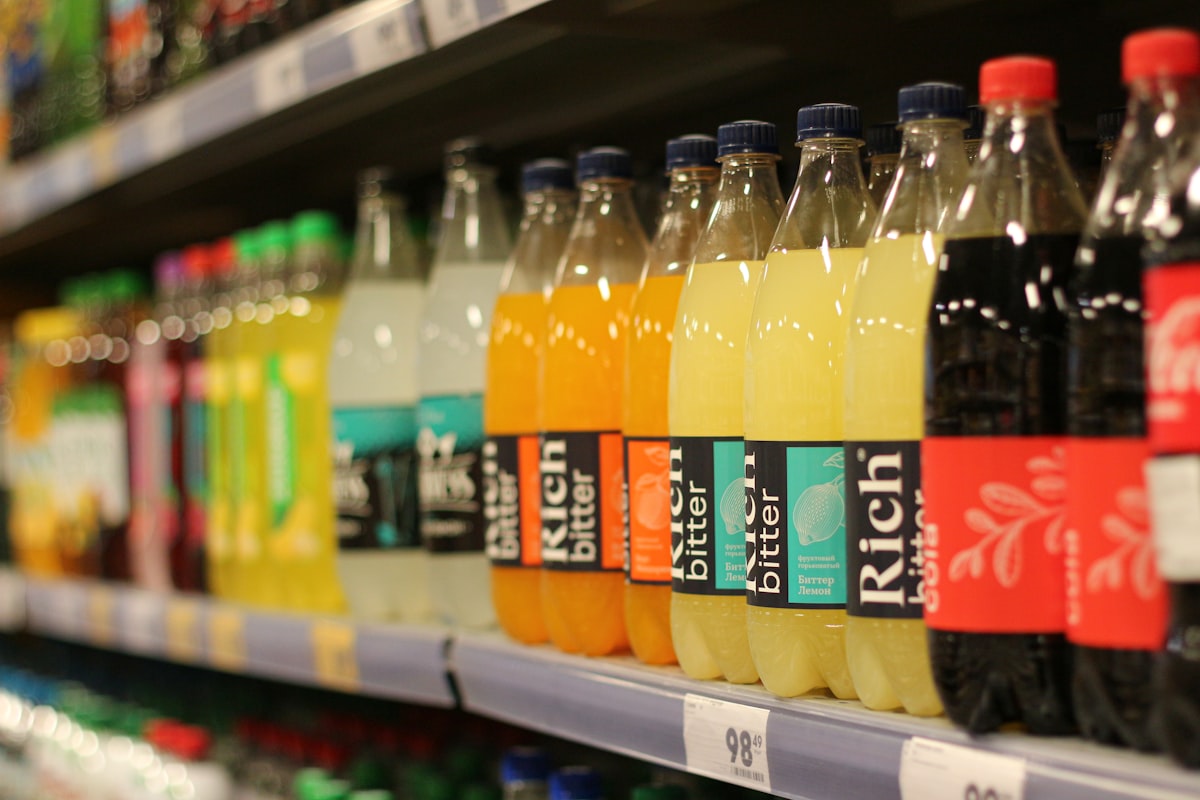
Excessive Alcohol Consumption
Regular alcohol consumption, particularly excessive amounts, can elevate inflammatory markers and impair the body's ability to repair joint tissues. Alcohol also depletes important nutrients like magnesium and B vitamins that are crucial for joint health. Reducing alcohol intake or eliminating it entirely may help lower inflammatory burden, improve nutrient absorption, and support better joint recovery and mobility.
Learn more
Full-Fat Dairy Products
Full-fat dairy contains arachidonic acid, a fatty acid that serves as a precursor to inflammatory mediators. Conventional full-fat milk, cheese, and cream from grain-fed cattle may promote inflammatory responses in susceptible individuals. Exploring reduced-fat alternatives, plant-based dairy options, or grass-fed dairy products may help you reduce inflammatory triggers while still enjoying nutritious foods that support your overall wellness goals.
Learn moreUnderstanding Food-Triggered Inflammation
Certain foods contain compounds that can trigger inflammatory pathways in your body, potentially aggravating joint pain and stiffness. When you consume inflammatory foods repeatedly, your immune system remains in a heightened state of alert, producing excess inflammatory cytokines that accumulate around joints and connective tissues.
The relationship between diet and joint health is well-documented in nutrition science. Your body's inflammatory response is directly influenced by the foods you consume daily. By identifying and eliminating problematic foods, you can reduce inflammatory signals and create an internal environment more conducive to joint repair and mobility.
Each food category listed above has specific compounds that either promote or reduce inflammation. Understanding these mechanisms helps you make intentional dietary choices that directly support your joint health goals.
Explore Our Ingredient Guide
Common Questions About Foods and Joint Health
How quickly will I notice changes after eliminating inflammatory foods?
Most people report noticeable improvements in joint comfort within 2-4 weeks of consistently avoiding inflammatory foods. However, individual timelines vary based on the severity of inflammation, overall diet quality, activity level, and personal metabolism. Some individuals experience changes within days, while others may need 6-8 weeks. Keeping a food and symptom journal helps you identify your personal response patterns.
Can I eliminate all these foods at once, or should I do it gradually?
A gradual elimination approach works better for most people, as it allows your body to adjust without overwhelming your palate or creating nutritional gaps. Start by eliminating the most inflammatory categories relevant to your diet—usually processed foods and refined sugars. After 2-3 weeks, remove the next category. This staged approach also makes it easier to identify which specific foods affect you most.
What should I eat instead of these inflammatory foods?
Focus on whole foods: fresh vegetables and fruits, fatty fish rich in omega-3s, nuts and seeds, whole grains, legumes, and grass-fed or pasture-raised proteins. Anti-inflammatory foods include leafy greens, berries, fatty fish like salmon, olive oil, turmeric, ginger, and bone broth. These foods contain nutrients and compounds that actively support joint health and reduce inflammatory signals in your body.
Are all members of these food categories equally inflammatory?
No—individual sensitivity varies significantly. For example, some people tolerate nightshade vegetables without problems, while others are highly sensitive. Quality matters too: grass-fed dairy differs from conventional, and extra-virgin olive oil differs from refined seed oils. The best approach is personal experimentation. Remove suspect foods for 3-4 weeks, then reintroduce them one at a time to identify your personal triggers.
What if I have cravings for eliminated foods?
Cravings typically diminish within 2-3 weeks as your body adjusts. Meanwhile, find satisfying replacements: if you crave sugar, try berries or dates; if you miss fried foods, bake vegetable chips in olive oil. Ensure you're eating enough whole foods, healthy fats, and protein to feel satisfied. Often, intense cravings signal inadequate nutrition or eating too few calories. Address the root cause rather than fighting willpower alone.
Can dietary changes alone resolve my joint discomfort?
Diet is one powerful component of joint health, but optimal results come from combining dietary improvements with movement, proper hydration, stress management, and adequate sleep. Strength training and gentle exercise support joint structure, while stress and poor sleep increase inflammatory markers. View food elimination as one tool in a comprehensive wellness approach. For personalized guidance, consult with a healthcare provider or registered dietitian.
Visual Guide to Problematic Ingredients

Reading Labels for Hidden Inflammatory Ingredients
Learn to spot inflammatory substances in ingredient lists. Watch for terms like "partially hydrogenated oils," "high fructose corn syrup," "MSG," and "sodium nitrite." Many foods disguise inflammatory oils and sugars under technical names. Understanding label language empowers you to make informed choices and avoid triggering ingredients that sneak into seemingly healthy processed foods.

Anti-Inflammatory Alternatives at a Glance
This visual comparison shows direct swaps for common inflammatory foods. Replace seed oils with olive oil, white bread with whole grain, processed snacks with nuts and fruits. Having visual references makes grocery shopping easier and helps you stay committed to joint-supportive choices. Print or save these comparisons as handy reference tools when meal planning.

Balancing Omega-3 to Omega-6 Ratios
The omega-3 to omega-6 ratio directly impacts inflammation levels. Optimal ratio is approximately 1:4 to 1:1, but modern diets often reach 1:20. Foods rich in omega-3s include fatty fish, flax seeds, chia seeds, and walnuts. Reducing seed oil consumption and increasing omega-3 sources helps rebalance this ratio and shift your body toward a less inflammatory state, directly supporting joint comfort.
Timeline: What to Expect After Eliminating Inflammatory Foods
Week 1-2: Possible cravings and adjustment period. Week 2-4: Many people report initial improvements in joint mobility and reduced morning stiffness. Week 4-8: Continued symptom improvement as inflammatory load decreases. Beyond 8 weeks: Sustained benefits and stabilization of new baseline. Individual timelines vary, but this framework helps set realistic expectations as you implement dietary changes.
The Significant Impact of Dietary Changes
Weeks for Initial Changes
Most people notice improvements in joint comfort within this timeframe when consistently avoiding inflammatory foods.
Inflammation Reduction Possible
By eliminating major inflammatory food categories, many individuals experience substantial decreases in inflammatory markers.
Weeks for Full Stabilization
Complete removal of inflammatory compounds from your system and full adjustment of your inflammatory baseline.
Major Food Categories
Our comprehensive guide covers the most common inflammatory food categories affecting joint health.
Success Stories from Our Community
"
After eliminating processed foods and seed oils, my morning joint stiffness decreased dramatically within three weeks. I can now move with much more ease and actually enjoy my morning walks again. This dietary approach gave me freedom I thought I'd lost.
Markéta Svobodová
Prague
"
I was skeptical about cutting out nightshades, but once I eliminated them, my persistent joint pain improved noticeably. Combined with reducing my seed oil intake, I feel significantly better. The guide helped me understand exactly what was triggering my discomfort.
Pavel Horák
Czech Republic
"
The personalized nutrition plan transformed how I approach eating. I no longer feel guilty about food choices—I understand the science behind them. My energy levels are stable throughout the day, and I've lost weight without feeling deprived.
Maria Santos
Brazil
"
As an athlete, I was constantly fatigued despite training hard. This program helped me optimize my nutrient timing and food quality. My recovery improved dramatically, and I'm seeing better performance metrics across all my workouts.
James Mitchell
United Kingdom
Ready to Transform Your Health?
Join thousands of people who've discovered their optimal nutrition path with Flexhealthnutritionpro.
No credit card required • Free initial assessment
Frequently Asked Questions
Most clients report noticeable improvements within 2-4 weeks. Energy levels typically increase first, followed by digestive improvements and reduced inflammation markers. Full optimization usually takes 8-12 weeks.
Absolutely. Our methodology works with keto, paleo, vegan, vegetarian, Mediterranean, and omnivorous approaches. We customize recommendations based on your preferences and health goals, not rigid diet labels.
While not mandatory, bloodwork and functional testing provide valuable insights into your nutrient status and metabolic function. We'll recommend testing if it would benefit your specific situation, but can start without it.
Our integrative approach is designed specifically for people with complex health situations. We consider medication interactions, nutrient-drug relationships, and condition-specific dietary modifications to ensure safety and effectiveness.
We offer flexible packages starting from a one-time assessment to comprehensive 12-week programs. Most insurance doesn't cover nutrition services, but many clients find the investment returns itself through improved health and reduced medical expenses. Contact us for current pricing.